

The Torah Portion Ki Tisa

The Torah Portion Ki Tisa (Parsha Ki Tisa) is one of the most dramatic and spiritually powerful sections of the Torah. Found in the Book of Book of Exodus (Exodus 30:11–34:35), Parsha Ki Tisa tells the story of faith, failure, repentance, and the deep relationship between God and the people of Israel.

In this Torah portion, we learn about the half-shekel offering, the construction of sacred items for the Tabernacle, the tragic sin of the Golden Calf, and the powerful intercession of Moses. The portion also reveals God’s attributes of mercy and forgiveness and the renewal of the covenant with the people of Israel.

On this page you will find videos, short Dvar Torah teachings, and insights into Parsha Ki Tisa, helping both Jews and non-Jews connect to the timeless wisdom of the Torah.

Ki Tisa Torah Portion Summary

The Torah portion Ki Tisa includes several key events and commandments that highlight the spiritual mission of Israel.

The Half-Shekel Census

  • God instructs Moses to collect a half-shekel offering from every Israelite as part of a census. Each person gives the same amount, symbolizing equality before God and collective responsibility within the nation of Israel.

The Tabernacle and Sacred Service

  • Instructions are given for the bronze laver, the holy anointing oil, and the sacred incense used in the service of the Tabernacle. God appoints Bezalel and Oholiab as master artisans filled with divine wisdom to build the holy sanctuary.

The Commandment of the Sabbath

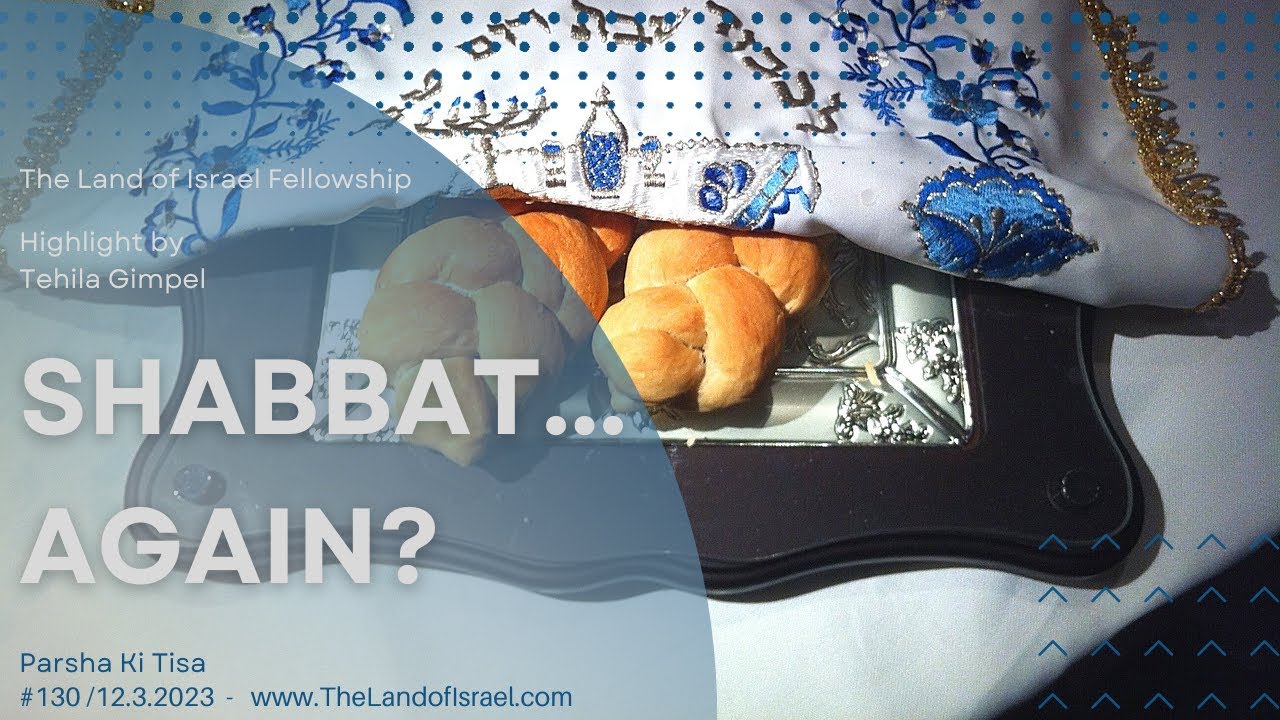
  • The Torah reaffirms the holiness of the Shabbat, emphasizing that the Sabbath is an eternal sign between God and the people of Israel.

The Sin of the Golden Calf

  • One of the most famous stories in the Torah occurs in Parsha Ki Tisa. While Moses is on Mount Sinai receiving the Torah, the Israelites become fearful and create the Golden Calf as an idol. This moment represents a crisis of faith shortly after the revelation at Mount Sinai.
  • When Moses returns and sees the idolatry, he breaks the tablets of the covenant and confronts the people.

Moses’ Prayer and God’s Mercy

  • After the sin of the Golden Calf, Moses passionately prays for forgiveness on behalf of Israel. His leadership and devotion demonstrate the power of prayer, repentance, and intercession.
  • God responds by revealing the Thirteen Attributes of Mercy, one of the most important descriptions of divine compassion in the Torah.

Renewal of the Covenant

  • God renews His covenant with Israel and gives Moses a second set of tablets. When Moses descends from the mountain, his face shines with divine radiance, reflecting the spiritual power of his encounter with God.

Dvar Torah Insights on Ki Tisa

A Dvar Torah on Ki Tisa explores the deeper spiritual lessons within this powerful Torah portion.

Many rabbis explain that the half-shekel offering teaches that every person contributes only part of the whole. True spiritual strength comes when individuals unite as a community serving God together.

Another insight focuses on Moses’ courage when he asks God to reveal His ways. This request leads to the revelation of God’s attributes of mercy, reminding us that understanding God begins with recognizing His compassion and justice.

Why Parsha Ki Tisa Still Matters Today

The message of the Torah Portion Ki Tisa is timeless. It teaches about faith in times of uncertainty, the importance of moral leadership, and the possibility of renewal after failure.

For people who believe in the Torah, in God, and in the spiritual destiny of Israel, Parsha Ki Tisa offers powerful lessons about responsibility, repentance, and the enduring covenant between God and His people.


Join List

Sign up to receive exclusive content and updates @ The Land of Israel